The Myth of “Finding” Your Style: Why You Already Have One

“Your Silver Shoes will carry you over the desert,” replied Glinda. “If you had known their power you could have gone back to your Aunt Em the very first day you came to this country.” “But then I should not have had my wonderful brains!” cried the Scarecrow. “I might have passed my whole life… Continue reading →

The A1 Problem: Understanding Perceptual Mediation in Representational Art

We see things not as they are, but as we are.” — Anaïs Nin Due to the nature of my work, I am often asked, “How do you get your paintings to look so realistic?” I genuinely love when a colleague or aspiring representationalist opens this door in a conversation, as it usually leads to… Continue reading →

Black and White—What Sweet Colors They Are!

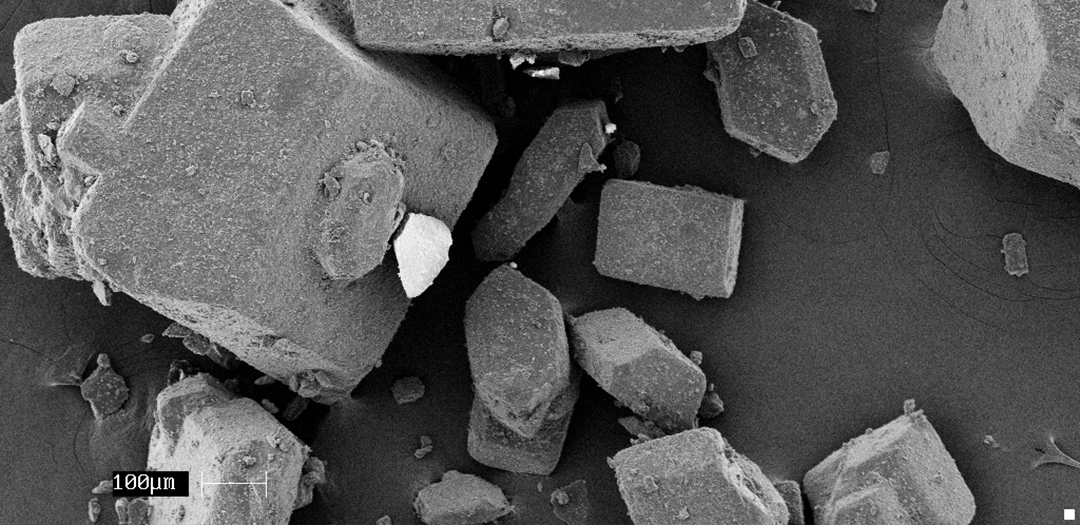
Electron microscopes have become invaluable tools in the realm of scientific exploration, offering researchers unprecedented insight into the intricate world of the “nanoscale.” Electron microscopy offers a better resolution than traditional (light) microscopes and can reveal the structure of smaller objects not usually seen by the latter. This is because the wavelength of electrons is… Continue reading →

Nuts & Bolts

The Waichulis Curriculum Insights into the nuts and bolts of a modern-day skill-based visual art training system.    The following paper is intended to offer insight into some of the inspirations, development, dynamics, and evolution of The Waichulis Curriculum that serves as the main training program with the ÀNI Art Academies. The content I have provided… Continue reading →

A Ham and Some Caterpillars to the Power of Why.

Thoughts on evaluating the many art “rules” and traditions that continue to thrive in the studio and classroom. (Updated 7/2026 for publication in Smartermarx Magazine) “Art ‘rules’ are often personal opinions shouted loudly with a big stick.” -Kara Castro McGee. American author Hilary Hinton “Zig” Ziglar is often credited with popularizing a clever story about… Continue reading →

A Few Thoughts on Natural Patterns

A 2019 study from Shanghai Jiao Tong University’s School of Design in China examined an often-encountered yet relatively under-examined form of ornamentation: decorative wallpaper (Fu, Zhang, & Lin, 2019). The researchers examined two properties: regularity (the orderly repetition of motifs) and semantic decodability (how readily those motifs convey recognizable meaning). Using the Implicit Association Test,… Continue reading →

A Few Thoughts on Complementary Colors and Color Opponency.

I came across a very good article last night exploring the benefits of working with a limited palette. The article was written by Courtney Jordan and is available on the artist daily blog here: http://www.artistdaily.com/blogs/artist-daily/sharpen-your-ability-to-judge-color-tone-and-value/ Within this article, one very knowledgeable artist shared his strategies for extending his palette’s color gamut as far as possible… Continue reading →