Scan, Stereo and Squint.

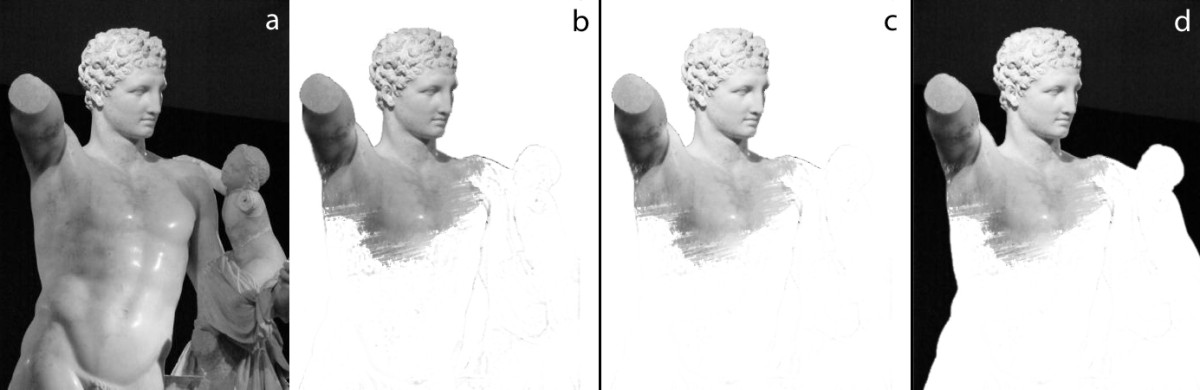
Limiting our focus to value for this paper, let’s begin with a review of “value” in regards to objective representational art. A common definition for value is relative lightness or darkness. Within a representational visual art context, value is often used to represent some measure of light or luminance. “Luminance is an objective measurement of… Continue reading

The “Pitfalls” of reading about Photography “Pitfalls”

The article began by establishing the idea that just because you have seen a photograph of something does not mean you know “exactly” what something may look like. While I understood the basic groundwork that the author was trying to establish here, the opening signaled that what would most likely follow would be a series… Continue reading

Anchors Down!

Let’s consider luminance (A stimulus that most representational artists would record with value.) “Luminance is an objective measurement of the overall intensity of a stimulus expressed in candelas/m2 (photometers used for this purpose measure radiant energy with a filter that mimics the sensitivity of the average human observer, thus specifically measuring light). The resulting sensations… Continue reading

Thoughts on Perception for the Representational Artist.

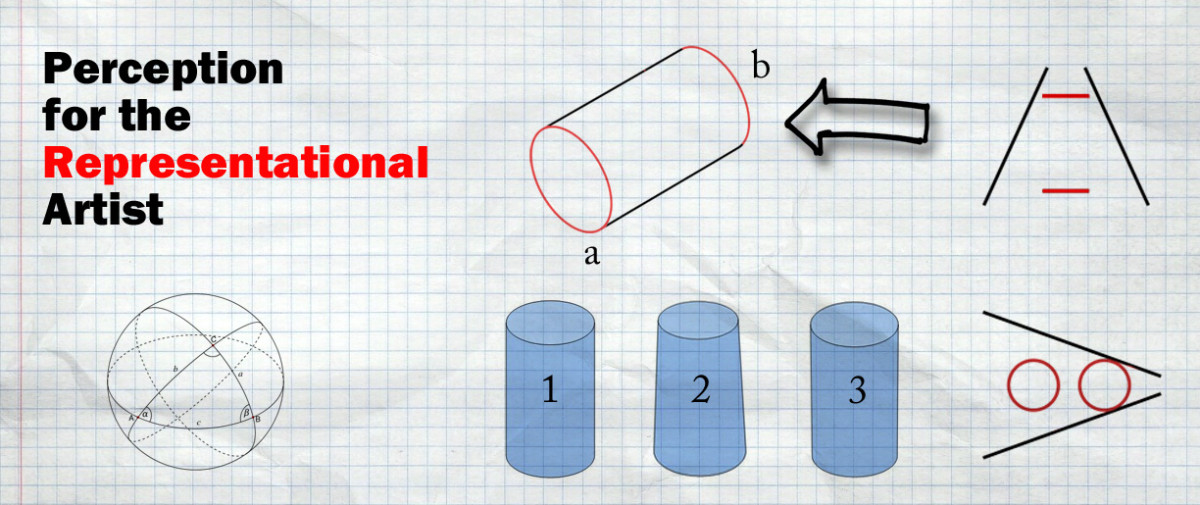
Let’s look at one problem that seems to arise quite often regarding basic form study and perception: The cylinder is one of the most basic geometric solids that is often systematically studied in drawing or painting programs. The cylinder is a bit challenging for the uninitiated draftsman as both the shape and form appear to… Continue reading

Don’t Sweat the Details

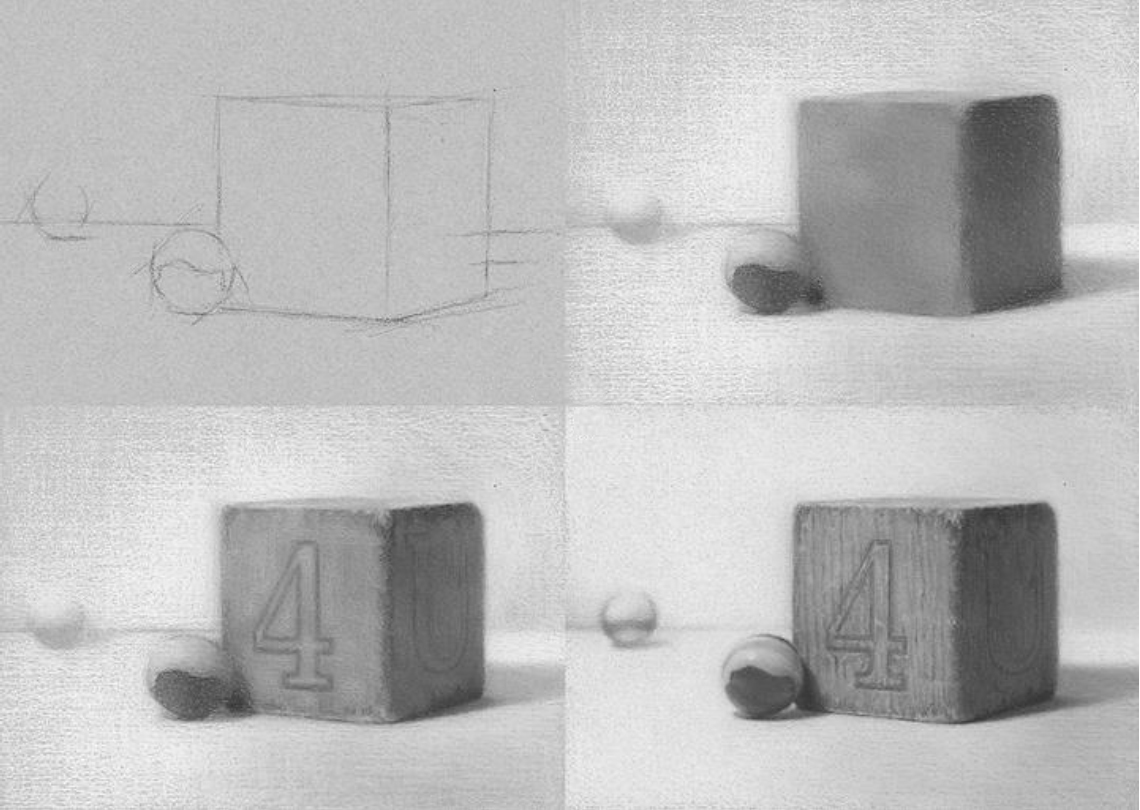
4 Great Tips for a Successful Approach to Surface Details A confident and successful approach to detail begins with an ability to simplify at the onset of a drawing or painting endeavor. Uncertainty about details or surface characteristics can easily lead to works that appear unresolved or unfinished. With only a few key steps, you… Continue reading